Reaching For The Corner Shelf
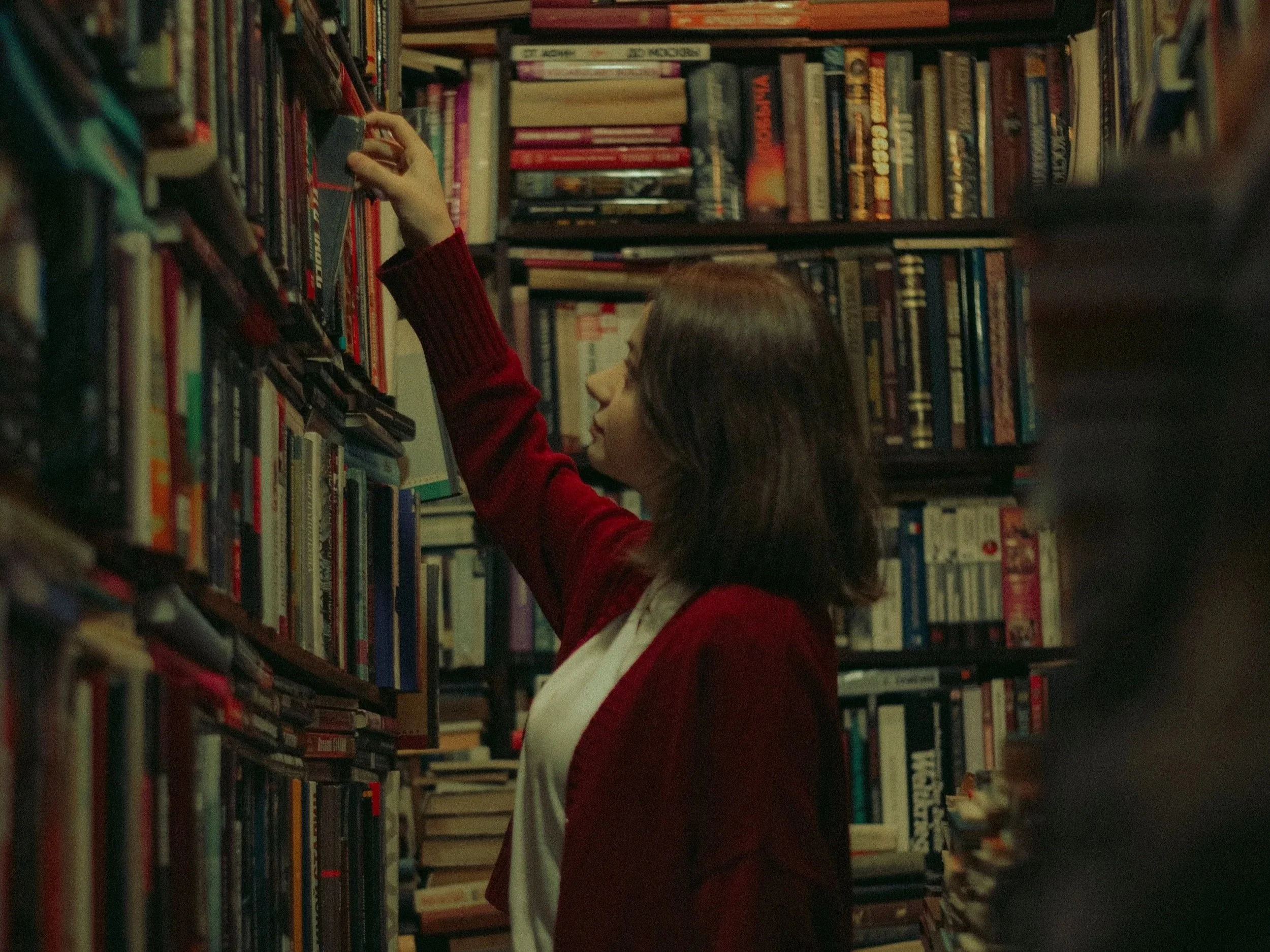
Photo by Анар Гумбатов
If I were to hand you a novel and say, “This book wrecked me! You have to read it!” what would your reaction be? I can tell you mine: first, I’d wonder at the peculiar use of the word wrecked (I understand car wreck, but book wreck?) and second, I’d recoil at the implication that a book’s worth is measured by how much it devastates the reader.
She must be a baby boomer, you might be thinking, behind the times and lost in the lingo. A baby boomer, yes, but not unfamiliar with today’s lingo, my social media filled with bookstagrammers and booktokers describing books they loved as those that “wrecked” them. From rom-coms to beach reads to historical dramas to literary fiction, the road is littered with shattered glass.
Like many overused buzzwords, the term leaves me wary. Troubled. Looking for a translator. What does it mean, “This book wrecked me”? The opening scene of the 1984 movie Romancing the Stone flashes into my mind, Kathleen Turner playing a bestselling author pecking out the final words of her romance novel on a clackity typewriter, tears streaming down her face. She is, I suppose, wrecked. By her own sentimental story. Or maybe by her relief over finishing the gnarly thing in time for her publisher. Writers can be like that.
But for emotional wreckage to equate to a five-star review? Even beyond what the term might mean is what it can suggest: that a book’s value lies not in its artistry or depth but in the amount of rubble left in its wake.
Don’t get me wrong: I enjoy a tearjerker as much as the next person—well, maybe not quite as much, breaking out in hives at excess sentiment, but I do want a story to move me, to stir my heart, to elicit a gasp, a sigh, an ache. And yes, perhaps artistry and depth are what account for that last-page gutting. If so, I’m in.
But if the measure of a book’s worth is merely its emotional intensity, then what of the quiet books, the ones from bygone eras, the ones tucked on the corner shelf, books that trade less in wringing tears and more in fostering reflection?
I recently savored a slow read of A Tree Grows in Brooklyn, marveling that somehow this 1943 gem had slipped past me until now. It didn’t unravel me. No shocking twists. No agonizing cliffhangers. No slew of tissues crumpled on the floor.
But unforgettable Francie Nolan, with her keen observations, fierce grit, and dreamer’s heart, has left her mark. It’s one thing for a beloved classic to do that, but what about novels published today? Crossing paths with a young neighbor while on a walk last month, I asked what she thought of a new release she’d bought. She fell silent, her terrier snuffling in the bushes. “It was beautiful,” she said at last. Then she added something unexpected: “It made me realize I need to start reading better books.”
The novel happened to be mine, published last year without much splash, making her comment especially humbling. But what stayed with me wasn’t her praise. It was what she had realized about herself: that she’d been gravitating toward easy, comfortable reads and that this story had nudged her to reach for something deeper.
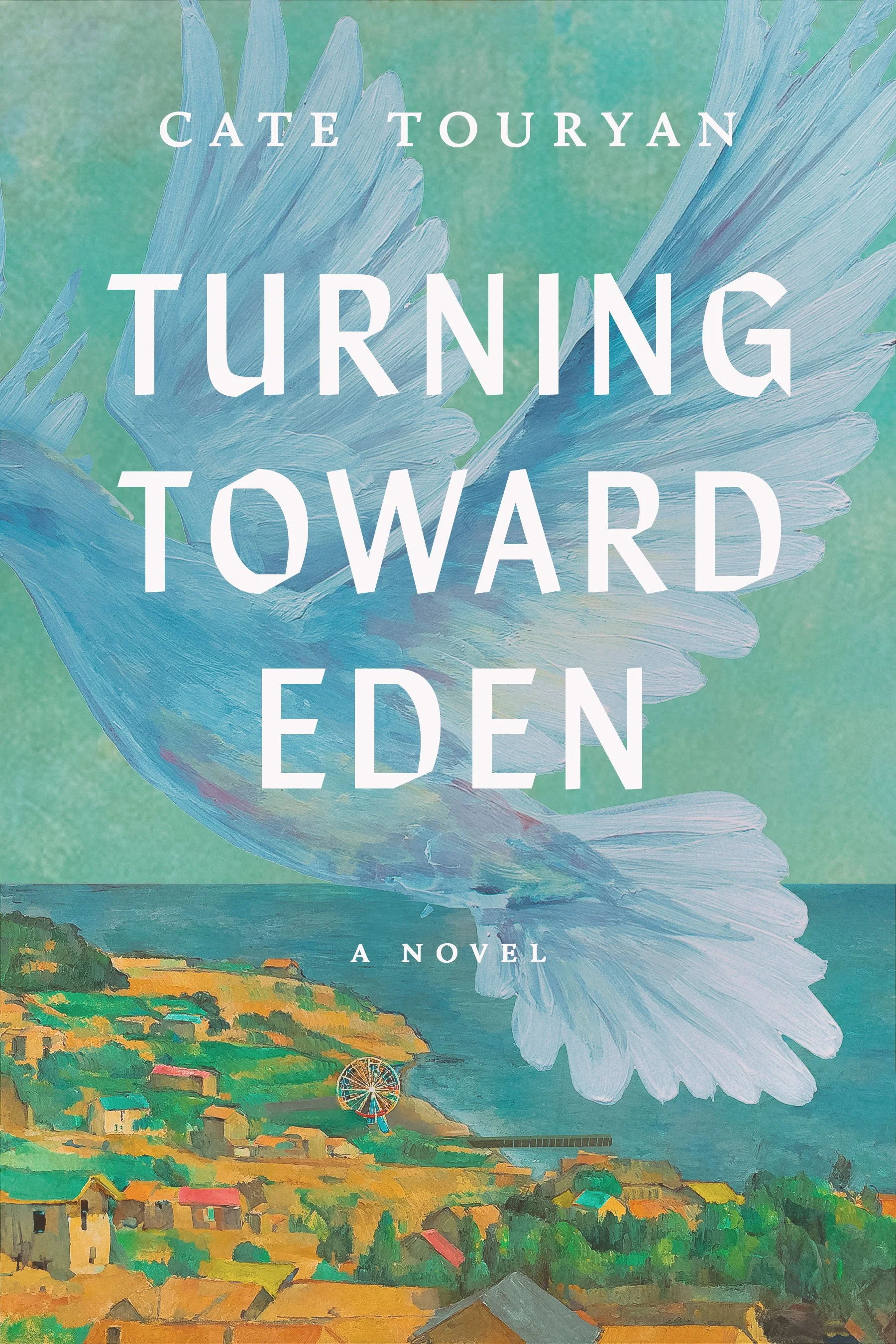
Not that there isn’t a place for the high-profile bestsellers that greet us on the display tables of Barnes & Noble—I’ve been fortunate enough to see my own book sitting on one. And not that these front-table finds can’t offer rich storytelling and literary skill. But it’s the corner-shelf books I want to shine a momentary light on, the ones less heralded amid titles buoyed by marketing dollars. The ones whose merit lies in quieter values, only to be unearthed by the patient reader.
What if we redefine the word wrecked, broaden its meaning to encompass more than being left undone? What if we ask not “Did the book wreck you?” but rather “Did the book change you for the better? Did it matter?” In a reading culture driven by monthly book tallies and viral trends, we can be subversive. We can choose books that beckon us toward hard-earned and unexpected discovery.
Long before social media and Amazon algorithms began curating our reading lists, the Apostle Paul exhorted believers in Philippi to seek that which nourishes them, writing,
Finally, brothers and sisters, whatever is true, whatever is noble, whatever is right, whatever is pure, whatever is lovely, whatever is admirable—if anything is excellent or praiseworthy—think about such things (Philippians 4:8, NIV).
To think about such things invites us to read about such things—to consider how we might more wholly evaluate a book’s worth. By this touchstone, a book doesn’t wreck us by leaving us in pieces but by stretching us. Here’s what that might look like if we turn the word on its head. A book wrecks us if it…
W – Wakens our better self.
Does it inspire us to be the first to apologize, to give without expectation, to speak out against wrong? Does it reveal who we are—and who we might yet become?
R – Reveals truth.
Does it resist easy saints and stock villains, portraying characters who are fiercely loyal one moment and cowardly the next? Does it render the world in its full complexity, messy and beautiful, cruel and tender? (I’m reminded of Francie Nolan’s hardscrabble Brooklyn neighborhood, with its squalor and magnificence, its scoundrels and dreamers.)
E – Enlarges our sympathies.
Does it pull us from the comfort of our armchair and seat us at a stranger’s table? Does it plunge us into a life we have never lived, moving us to care for a person we might hurry past on the sidewalk?
C – Cultivates a love of beauty.
Does it teach us to linger—to notice the cadence of a sentence, the slant of autumn light, the calluses on a weary hand? Does it illuminate the small marvels of ordinary life?
K – Kindles wonder.
Does it leave a door ajar, coaxing us to step through? Does it ask us to look twice at the familiar, to search for what lies beyond the edges of our own worn map?
E – Endures beyond the last page.
Does it refuse to stay neatly between the covers? Does a scene surface weeks later, a question keep repeating, a truth take root in our lives?
D – Draws us toward the transcendent.
Does it lift our gaze from the here and now to a farther horizon—to justice, mercy, redemption, a world made right? Does it hint that our lives echo beyond our footsteps, even when the world goes dark?
Redefined this way, “wrecked” becomes delightfully mutinous, feeding not only our emotions but our intellect, imagination, and spirit. What might your measure of a book’s worth look like?
Of course, no book—or work of art—need encompass all these elements to be valuable. If a cozy whodunit offers a weekend of delicious escape and nothing more, it has done much good in our hectic lives. It isn’t that we should never indulge the feel-good reads, the Hallmark flicks, the decadent chocolate mousse.
It’s simply that we shortchange ourselves when we let algorithms, bestseller lists, and emotional hype dictate what matters. Instead, the intentional reader asks, “Who might this book help me become?”
The same question guides me as an author. I want to write novels that leave readers W.R.E.C.K.E.D., crafting a story that matters, that enriches and even transforms mind, heart and soul, much as did Francie Nolan’s story for me. Instead of chasing the kind of books people can’t stop talking about, I’d rather spend my years trying to write the kind they won’t forget.
The next time you’re in a bookstore or library, pause. Wander to the corner shelf. Reach for the quiet book, the one that doesn’t promise to “wreck” you. It just might. But in all the best ways.